Demand Planning for Beauty Brands: Inventory Strategies That Actually Work
What Every Beauty Brand Needs to Know About Demand and Inventory Planning
TL;DR Beauty brand demand planning requires a different approach than most product categories. Your demand is predictable — your supply chain is the hard part. Specialty packaging carries lead times of six months to a year. SKU counts run deep. And beauty brands consistently carry more inventory than healthy cash flow supports. The fix: build your plan around weeks of supply targets (8–16 WOS is a strong benchmark), track sell-through in units and dollars rather than percentage, and keep a clear open-to-buy picture at all times. Component planning adds another layer of control when your volume justifies it. Multi-channel brands need coordinated allocation across every channel. Get the structure right and your replenishment demand signal becomes one of the most reliable assets in your business.
Demand Planning for Beauty Brands: Inventory Strategies That Actually Work
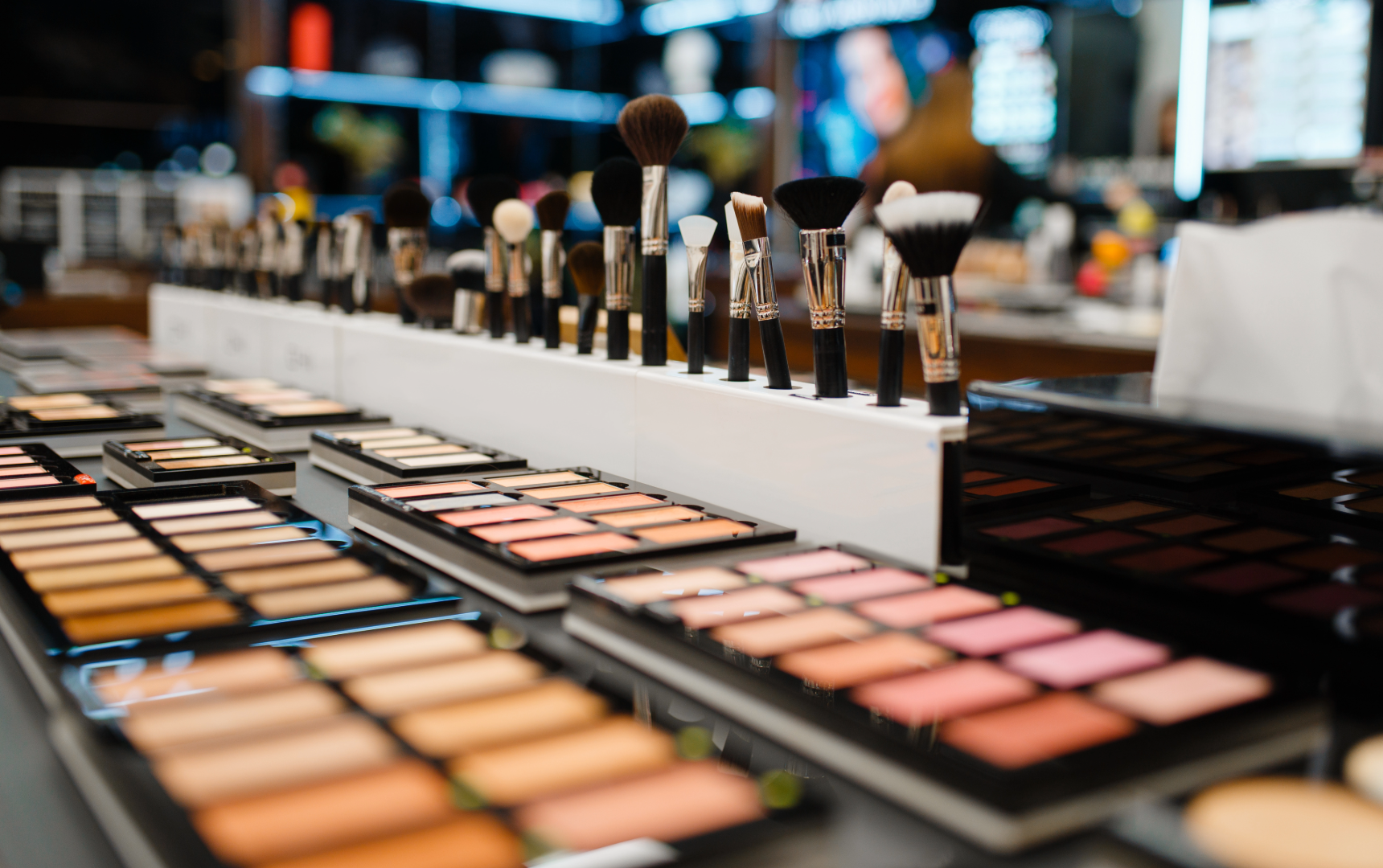
Beauty brand demand planning is its own discipline. If you've been following our series on how demand planning differs by product category, you know that beauty and skincare brands sit in a category we call SKU-intensive replenishables. Your customers return consistently. Your demand is more forecastable than most. And your supply chain is longer and more specialized. That combination rewards brands who plan well and costs the ones who guess.
This post covers the key strategies that make beauty brand demand planning work — and where things go wrong when you're not paying attention.
Why Beauty Brand Demand Planning Starts with Your Supply Chain
One real advantage of selling replenishable products is that demand becomes more predictable over time. A customer who loves your vitamin C serum keeps buying it. That cycle gives you a real signal — usage patterns, repeat purchase intervals, velocity data — that one-time-purchase categories don't have.

Beauty and skincare brands also tend to see a steady rate of sale throughout the year, with a moderate lift in fall and winter.
As a result the risk in beauty brand demand planning is mostly on the supply side.
Specialty packaging — glass droppers, custom jars, specialty tubes — regularly carries lead times of close to a year. The formula is often ready quickly. The container is what takes the most time. When you don't plan for that, you will eventually have demand you can't fill.
Three forces make beauty inventory hard to plan: shelf life, minimum order quantities, and lead times. Stack those three together and under-planning gets expensive fast — recent analysis found some well-resourced beauty brands carrying close to 170 days of inventory on hand, well above the 45 to 70 day target for healthy private brands their size.
Component Inventory Planning for Beauty Brands: Is It Right for Your Business?
Because packaging lead times are so long, some beauty brands plan for both finished goods and component items — glass containers, droppers, and other specialty packaging. It's one of the most common services we offer across the more than 15 beauty brands we currently support. When done well, component planning gives you a full picture of your supply position. You know how many finished units you have. You also know whether you have the components to make what's coming next.
There's a financial benefit too. Committing to volume early often unlocks better unit costs. That gives you negotiating leverage that reactive buyers simply don't have.
That said, component planning isn't right for every brand at every stage. It takes real effort and infrastructure. For lean teams early in growth, or brands not yet at high volume, that time is often better spent elsewhere. Build your finished goods plan first. Component planning is a strong next layer when your volume and bandwidth support it.
How SKU Complexity Shapes Beauty Brand Inventory Management
Beauty and skincare brands tend to be SKU-intensive — sometimes very much so. A single moisturizer might come in multiple sizes. A serum line might have five formulations.
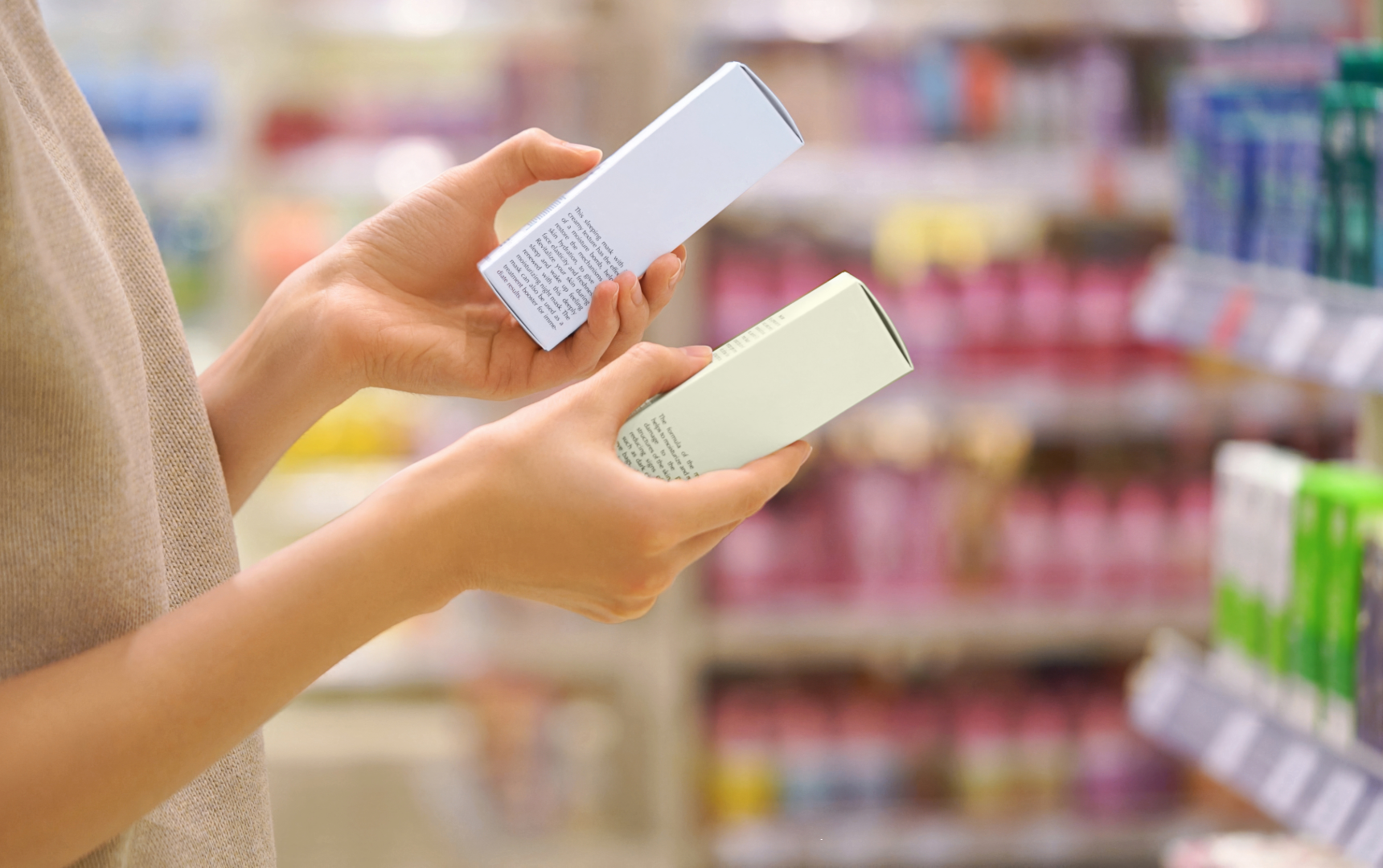
Shade ranges in color cosmetics can run 40-plus SKUs for one product family.
Because of that, you're not just forecasting demand for a product. You're forecasting at the variant level, across a large assortment, with long lead times on many of those variants.
That complexity makes SKU rationalization even more important. The brands that manage beauty brand inventory management well stay honest about which SKUs earn their place. Every slow SKU ties up dollars that could work harder somewhere else. Focus your planning energy on what your customers actually buy.
Weeks of Supply Benchmarks for Beauty and Skincare Brands
Weeks of supply (WOS) is the metric we lean on most in beauty brand demand planning. Based on our work with more than 15 beauty and skincare brands, 8 to 16 weeks is a strong starting benchmark. It gives you enough safety stock to avoid stockouts without draining cash. Your velocity, lead times, and cash position will shape where you land in that range. Getting this number right is one of the highest-leverage moves in beauty brand demand planning.
If your products have a shelf life, your WOS target needs to reflect that. Holding 16 weeks of a short-life product creates expiration risk. In those cases, tighter WOS targets and more frequent reorders are the smarter move — even if per-unit costs are slightly higher.
It also helps to understand how WOS works differently across product categories. In apparel, WOS swings are expected — a new style launches high and compresses toward the markdown window. For beauty and skincare, that kind of swing signals a problem. Your goal is stability. Running too high ties up cash. Running too low puts you at stockout risk on products customers expect to always find.
The practical takeaway: build WOS alerts into your process. When any SKU drops below your safety threshold, your system should flag it right away. Pair that with a reorder alert that includes actual lead times. A trigger that ignores a 10-month packaging lead time isn't doing its job.
Multi-Channel Inventory Management for Beauty Brands
Many beauty brands sell across DTC, national retail partners, and marketplaces like Amazon. When that's your reality, your inventory plan needs to cover all of it. Multi-channel beauty brand demand planning means allocating inventory across channels, knowing which channels drive volume at different times of year, and stopping the same stock from getting committed twice. A DTC promotion shouldn't drain inventory promised to a retail partner. When channels are planned in silos, someone always ends up short.
Not every beauty brand is multi-channel yet — and that's fine. However, if you're there now or heading that way, build coordination into your planning process early. It's much easier to do before the first oversell forces your hand.
Open to Buy: The Financial Foundation of Beauty Brand Inventory Planning
All of the above — SKU depth, lead time management, multi-channel allocation — points to one core capability: detailed open to buy (OTB) reconciliation. OTB planning shows you where your inventory dollars are committed, how that tracks against expected revenue, and whether your buying plan is actually supported by your sales plan. For beauty brands consistently carrying more inventory than their cash flow supports, that clarity is everything.
Build a Beauty Brand Demand Planning Process That Matches How You Actually Sell
Beauty and skincare brands have a genuinely strong demand profile — loyal customers, steady replenishment cycles, and a stable rate of sale. The hard part isn't the demand. It's the supply chain complexity, the SKU depth, and the planning infrastructure needed to manage both well.
Start with your finished goods plan. Set your WOS targets with shelf life in mind. Build your reorder alerts. Track sell-through in units and dollars. Keep your OTB clear. When your volume and team are ready, add component-level planning for a stronger upstream position. Effective beauty brand demand planning doesn't have to be guesswork — we can help. Book a call.