Demand Planning for Apparel Brands: How to Plan Inventory When Seasons, Sizes, and Trends All Compete for the Same Budget
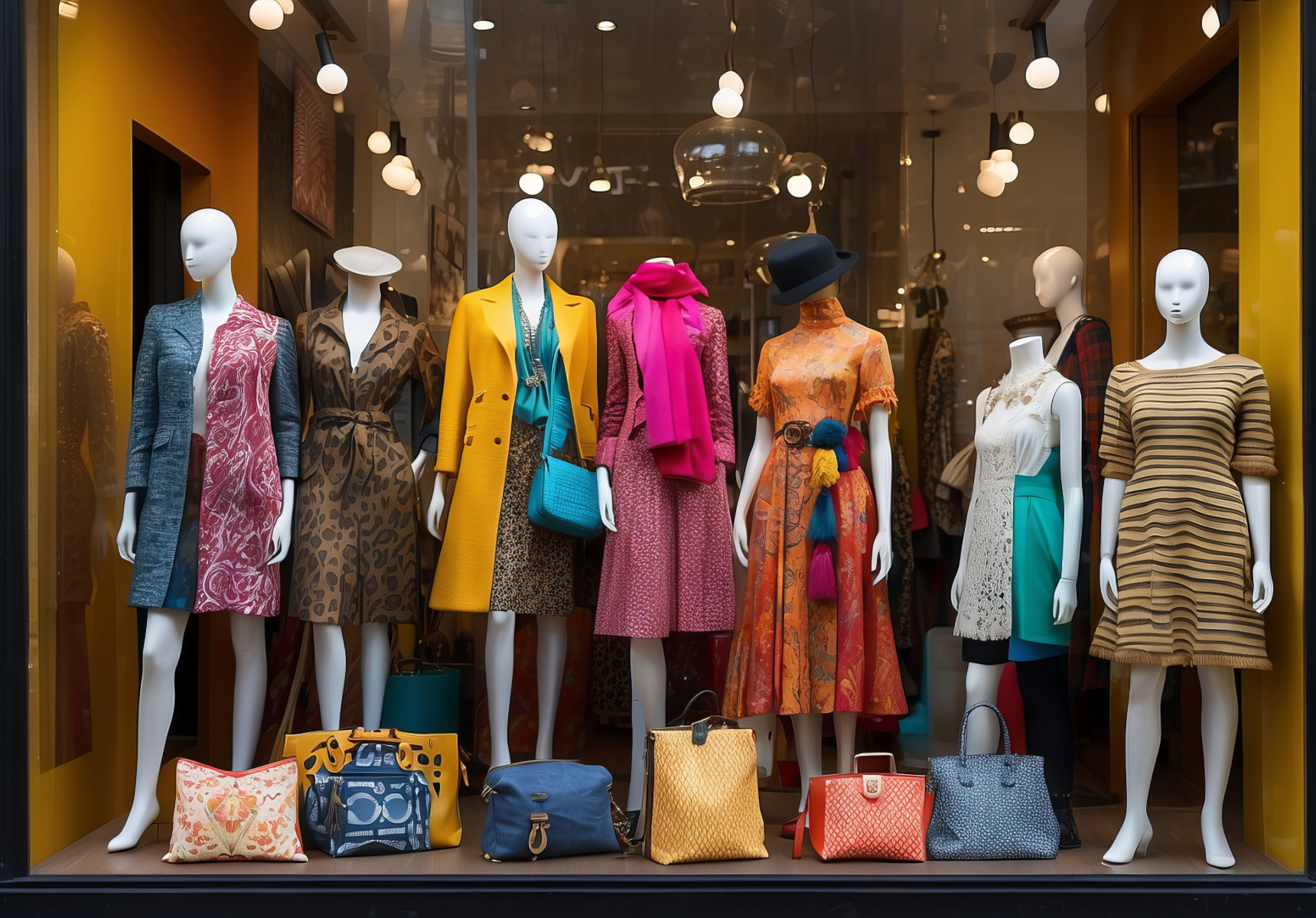
What to Know: Demand Planning for Apparel Brands
TL;DR: Demand planning for apparel brands means stretching one inventory budget across seasonality, size runs, and shifting demand. All of it competes for the same open-to-buy dollars. The fix isn't complicated, but it takes structure. Build your size curve from sell-through data, not a flat split across sizes. Set ordering deadlines backward from production lead time, not launch day. Add an early sell-through checkpoint so you can cut or chase before it's too late. Fund core inventory first, then take fashion risk on purpose. Rationalize SKUs every season before adding new ones. Set weeks-of-supply targets that expect fashion to compress and core to hold steady. Together, these habits are how apparel brands reduce overstocks without risking stockouts on bestsellers.
Demand Planning for Apparel Brands: Three Problems, Three Practical Fixes
Every product category has its own planning challenges. Beauty brands plan based on a long lead time. Durable goods brands plan around infrequent purchases. And apparel asks a brand to fund seasonality, size runs, and shifting demand from one inventory budget, all at once. That's part of what makes planning for this category especially complex.

Apparel brands typically manage three forces at once:
Size-run and variant complexity, often at a scale other categories rarely reach
Seasonality and production lead time, which sets hard deadlines on both ends
Discretionary spending behavior, where the customer can choose to wait or skip purchasing completely
None of these three is unusual by itself. Together, they explain why some apparel brands run lean and confident while others manage excess inventory every season. Each problem below has a specific, repeatable fix and we’ve helped tons of brands do exactly that.
SKU Complexity in Apparel Demand Planning: Buy Depth Where the Demand Is
A style is never one SKU. A jacket in four colors and eight sizes is already 32 inventory positions. Each has its own demand curve. That SKU count only grows across a full seasonal assortment.
This is where demand planning for apparel brands helps brands avoid major inventory issues like:
Buying too little inventory in a best-performing size so customers walk away empty-handed.
Buying too much inventory in a color that never lands so you’re forced to manage excess inventory
The forecast isn't just for a product. It's for a size curve and a color mix moving together. The demand plan needs to reflect that.
Here's the fix. Build your size curve from historical sell-through, not a flat split across sizes. Apply the same logic to color. Rank last season's colors by sell-through before buying new inventory. Weight your open-to-buy dollars toward the colors with proven demand. Cap new, untested colors at a smaller quantity. Running lean on the untested items can drive urgency for your customer and limit your inventory risk.
Seasonality and Lead Time in Apparel Inventory Planning
People wear clothes all year, but not the same clothes all year. A swimsuit assortment earning most of its revenue in a four-month window needs a demand and inventory plan built based on that window. Missing the landing date rarely gets fully recovered throughout the rest of the season.
Here are two ways to get ahead of it:
Plan the exit before the season begins. Set your target sell-through by week, and decide when markdowns start. Flag which SKUs are allowed to sell out early instead of getting marked down. Markdowns should be part of your planning input that protects cash and margin.
Align with your marketing team before you commit to inventory. Agree on which products get featured and how demand should flow across SKUs. Decide in advance what happens if reality doesn't match the plan. Inventory carries far less risk when marketing and planning teams move together.
Read more tips for planning demand and inventory for seasonal products.
The Discretionary Income Factor in Demand Planning
Discretionary income affects every retail category, not just apparel. Within apparel, though, that pressure concentrates on the fashion side of the assortment more than on core.

When budgets are flush, customer spending usually goes beyond the basics.
A customer might pick up two or three of their favorite items instead of one or they might splurge on something new.
When budgets tighten, that behavior reverses. Fashion items get skipped. Customers lean on the essentials they already know work.
Demand planning for apparel should anticipate that swing instead of reacting to it. Keep a meaningful share of your core assortment in colors and styles that carry across more than one season. That inventory holds its relevance even if spending softens. Try to early-read some colors or styles you could feature across more than one season. Lean in if early sell-through is strong, or shift those dollars to core if it isn't. Continuously recap sales all season long, and dig into what’s driving performance. It will help you build accurate demand and inventory plans going forward.
Core vs. Fashion Inventory Planning for Small Business Brands
Core styles are reliable basics that support deeper weeks of supply. Fashion styles need tighter buys and a faster read on whether they're selling. Planning inventory across the two is a balancing act.
Fund core replenishment first, protect minimums on bestsellers, and let remaining open-to-buy dollars carry the fashion risk. A common starting mix runs 60 to 80 percent core and 20 to 40 percent fashion. Core is what customers keep buying when they pull back elsewhere. Prioritizing inventory this way is one of the highest-leverage habits in demand planning for apparel brands.
SKU Rationalization: A Practical Way to Reduce Overstocks
Many overstock problems in apparel start earlier than the inventory plan. They start with the assortment itself. New colors and prints can feel like growth on paper. But often they simply split existing demand across more choices.
Run this audit every season, before you place new orders:
Which SKUs consistently drive revenue, and are they getting the inventory depth to match?
Where does sell-through run weak, and what does that suggest for next season's plan?
Which items are serving the same end-use for the customer, and which are truly incremental?
Carrying the right things in the right depth is the goal. Cut or shrink anything that fails, so bestsellers don't sell out while a slower SKU takes up warehouse space. This kind of audit is one of the most repeatable habits in demand planning for apparel brands.
Weeks of Supply Targets for Apparel Inventory Planning
For beauty brands, stability is the goal for weeks of supply. Apparel works differently: a new style typically launches high, then compresses toward the markdown window. That movement signals the plan is working. The real concern is when weeks of supply stays high.
Set separate targets for core and fashion, with fashion built to compress on a planned path. Check the trend early in the season so you can react in time. If a fashion style hasn't compressed on schedule, cut the reorder, try a promotion, or move to markdown early. Ranking your assortment like this is what separates strong demand planning for apparel brands from guesswork.
Building a Retail Demand Planning Process That Works
Retail demand planning for apparel involves more moving pieces than some other categories. Size runs multiply SKU count. Production lead time sets a real deadline before the season even opens. Customers can simply choose to wait when money is tight. None of that has to run your business. Build your size curve from data. Plan markdowns into the picture from the start. Fund core first and rationalize SKUs every season. Rank your assortment and set weeks-of-supply targets.
At Boon, our team has spent 200+ collective years demand planning for apparel brands. Our team has planned every category from sweaters and outerwear to swim for brands of all sizes. If you're ready for a more detailed demand plan, let's talk.
Book a call with our team.