Demand Planning Is Not One-Size-Fits-All: How Inventory Strategy Differs by Product Type

What to Know: Demand Planning for Small Business by Product Type
TL;DR: Demand planning strategies are not interchangeable across product types. Beauty and skincare brands manage high SKU counts and long component lead times that require planning far upstream. Apparel brands juggle seasonality, size-run complexity, and discretionary spending patterns all at once. Durable goods brands plan for customers who buy once, with demand driven by new customer acquisition, complementary products, and planned promotional events. Same planning techniques across the board — very different application depending on what you sell.
How Demand Planning for Small Business Strategy Differs by Product Category
Demand planning for small business comes with a lot of noise. Seasonal vs. core. Carry-forward vs. trend. Open-to-buy frameworks, replenishment models, safety stock calculations. All of it valuable. All of it applicable. But how you apply it — and what you prioritize — depends entirely on the product category you sell.
Most planning resources skip an important step. Effective demand planning for small business requires understanding your product category before you adopt any strategy or technique. It shapes which approaches are relevant to your business. A beauty brand with 200 active SKUs and a 10-month packaging lead time has different planning needs than an apparel brand managing a seasonal size run. And both have different planning needs than a home goods brand whose customers buy once and don't return for a decade.
Seasonal planning, open-to-buy, sell-through analysis, reorder points: you will use all of these regardless of what you sell. The question is not which techniques apply to your business. The question is how your product category shapes the way you use them, what you are optimizing for, and where your biggest risks live. A beauty brand and an apparel brand both run replenishment models, but their strategic approach in the models is different. Many small business demand planning guides never make that distinction. This post does.
Demand Planning for Small Business Starts with Your Product Category
Before any technique makes sense, you need to understand how your customer actually uses what you sell. That end-use behavior is the foundation of demand planning for small business. It determines your demand pattern, your replenishment logic, and your exposure to overstock or stockout risk.
Product category can be defined a lot of ways. For this series, we focus on three (all categories we have supported at Boon) that call for meaningfully different planning approaches. Understanding which one you operate in is the starting point for building an inventory strategy that actually works.
Product Category 1: SKU-Intensive Replenishables (Beauty, Skincare and Wellness)
Customers use these products up and come back for more. A daily moisturizer, a go-to supplement, a signature serum. These products have a natural replenishment cycle baked into their end use. Over time, that creates a demand pattern that becomes more forecastable than most.
Replenishable does not mean simple.
High SKU Counts and Long Lead Times
Beauty and skincare earn their own planning category because of two forces working together: high SKU counts and long upstream lead times. The way those two things interact makes under-planning genuinely costly.
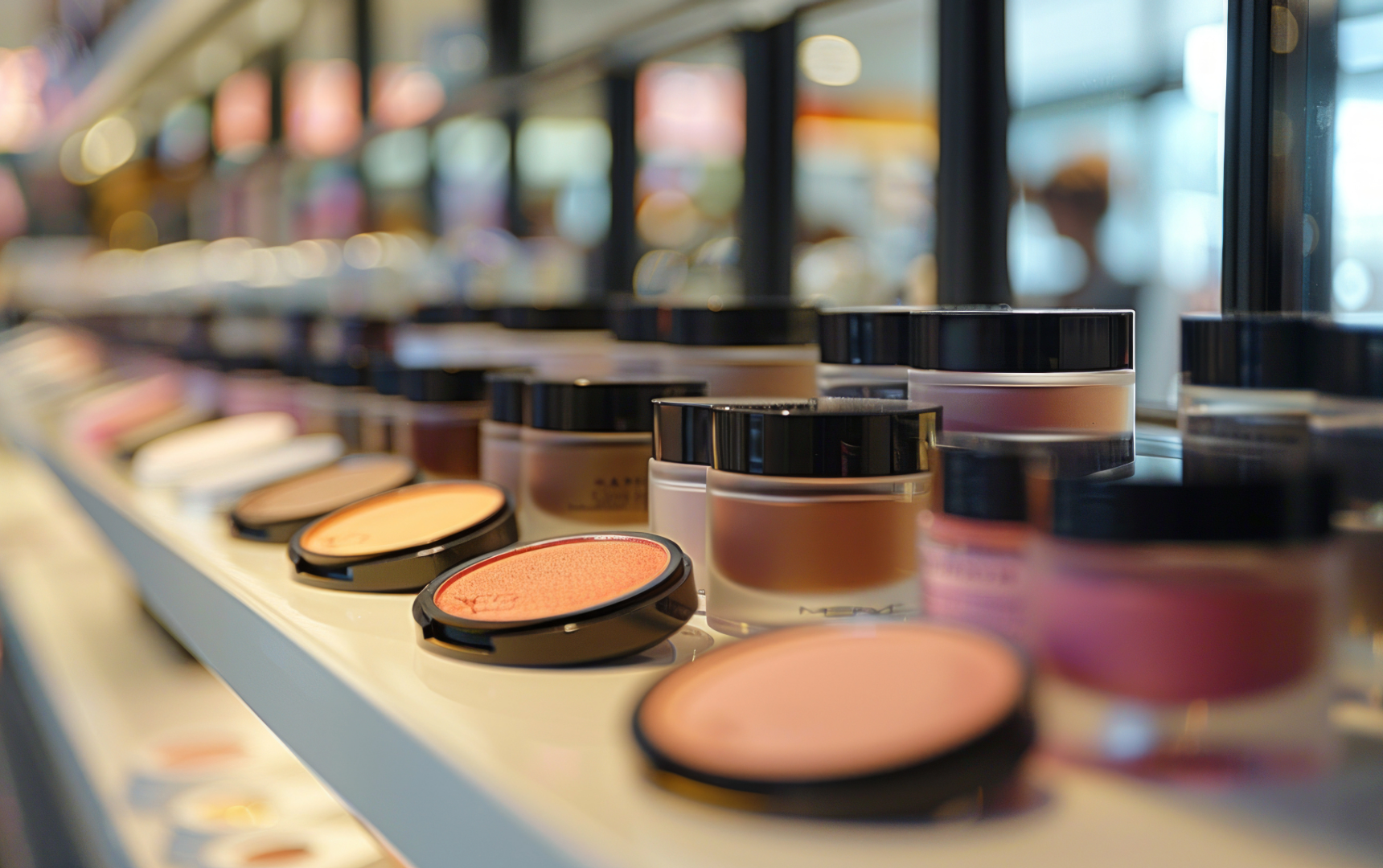
A single moisturizer might come in four formulations, two sizes, and three finishes.
That is one product generating dozens of individual SKUs. Foundation shade ranges alone can run 40+ SKUs.
When you manage an assortment of any real depth, you are not just forecasting demand for a product. You are forecasting demand at the variant level, for components that take significant time to source and manufacture.
Where Beauty Diverges from Other Replenishables
CPG products like toilet paper, laundry detergent, and pantry staples are also consumable. Customers cycle through them and reorder. But CPG typically carries simpler SKU structures and shorter supply chains. Beauty is different. Specialty glass components can carry lead times of six months to a year or more.
When long lead times catch you off guard and a hero product goes out of stock, you are not just losing a sale. You are likely losing the customer. Someone who needs their daily moisturizer is not going to wait six weeks for your restock. They will find an alternative. There is no shortage of options ready to take your place.
The replenishment cycle creates predictability on the demand side. The component lead time creates urgency on the supply side. Good demand planning for small business beauty brands means holding both realities at the same time — and planning far earlier than feels necessary.
Product Category 2: Seasonal, Discretionary, Size-Run Products (Apparel)
Apparel arrives with a lot of variables in play simultaneously. The planning challenge is not any one of them in isolation. It is managing all of them at once.
SKU Complexity at the Variant Level
In apparel, a single style is never just one SKU. A jacket in four colors and eight sizes is 32 unique SKUs, each with its own demand curve. Multiply that across a seasonal assortment of any depth and you are managing hundreds or thousands of individual inventory positions. Buy too shallow in your best-performing size and you turn away customers who found you and wanted to buy. Buy too deep in a colorway that does not resonate and you discount your way through end of season.
Seasonality and the Discretionary Income Factor
People wear clothes year-round, but they do not wear the same clothes year-round. A swimsuit line that drives most of its revenue in four months needs a planning calendar that accounts for when inventory has to land, how long the selling window is, and what happens to units that do not clear before the season closes.
Then there is the discretionary income factor. Apparel sits in a spending category that customers actively adjust when budgets tighten. A customer who needs to restock a moisturizer will probably still buy it. A customer considering a new jacket might wait. Retail demand planning for apparel — and demand planning for small business apparel brands specifically — means understanding not just historical sell-through but the broader context that shaped it.
The brands that plan apparel well are not the ones predicting trends perfectly. (No one does that, really.) They are the ones with enough structure and data discipline to contain the damage when something does not land, and enough visibility to move quickly when it does.
Product Category 3: Durable Goods (Furniture, Home, Kitchenware, Baby Gear and Accessories)
This product category presents a unique demand planning challenge for small business owners: it challenges a core assumption that makes inventory planning feel intuitive. Most founders assume a customer who bought from you once will come back to buy the same thing again.
A customer buys a dining table and keeps it for twenty years. They buy a set of dishes and only come back when something breaks. Baby gear gets used for a season of life and passed along. The end use of these products is defined by longevity, not replenishment. That changes the logic of how you forecast.
New Customers and Complementary Products
New customers are the primary demand driver for hero products. Returning customers exist, but they rarely come back to replace what they bought.

They come back for what comes next.
The throw pillows after the couch. The serving pieces after the dish set. The coordinating accessories after the statement bag.
Complementary product affinity drives incremental demand here in a way that direct repurchase does not. That has real implications for how you build your assortment, not just how you forecast individual SKUs.
Promotional Cycles and Trend Lifecycles
Purchase occasions tend to be life-event driven — a new home, a new baby, a wedding registry. But durable goods brands also run planned promotional cycles. Memorial Day, Labor Day, Black Friday. These sale events are predictable demand drivers. They belong in your forecast the same way any seasonal peak does.
Style evolution is a factor too, just on a much longer clock than apparel. Trend lifecycles in home and durable goods can span years. You are not turning your assortment at the pace a fashion brand does. That longer runway creates planning stability — but holding the wrong style too long is a slower, harder-to-spot problem than an end-of-season markdown situation.
Why Merchandise Planning for Small Business Has to Start Here
Most inventory planning guides jump straight to technique. This series starts one level up — with the product category that shapes how you apply every technique you already know.
The same methodology produces very different outcomes depending on what you sell. A beauty founder who applies apparel-style seasonal buy logic to a replenishable product with a year-long packaging lead time ends up reactive. A home goods brand that plans replenishment cycles like a consumable overbuys on return demand that is not coming.
The planning strategies covered throughout this blog (seasonal vs. core, carry-forward vs. trend, open-to-buy, SKU rationalization) apply across product categories. Understanding your product category is the starting point for demand planning for small business. It tells you where to focus your strategies, what to optimize for, and where your margin is most at risk. That is the foundation everything else is built on.
At Boon, we have spent nearly a decade planning inventory across beauty, apparel, home, CPG, lifestyle, and wellness categories, with 200+ years of combined retail expertise behind every engagement. If you are ready to build a planning process grounded in how your specific products actually move, let's talk.