Merchandise Planning for Small Business: A Durable Goods Guide

Merchandise Planning for Durable Goods Starts With Assortment and Item Productivity
TL; DR: Durable goods brands, like furniture, home goods, baby gear, and kitchenware, plan around a different customer relationship than most categories. Your customer isn't coming back to rebuy what they already own.
That means merchandise planning for small business owners in durable goods leans heavily on two things: assortment planning and item productivity.
Keep your SKU count intentional. Color and fabrication multipliers drive up inventory investment fast. More colors don't automatically create more demand, though a well-placed one can catch a new customer's eye.
Audit your assortment often so every item earns its inventory investment. And build your promotional calendar around the big, predictable retail moments. Those events can drive demand when organic repeat traffic can't.
Why Merchandise Planning for Small Business Looks Different in Durable Goods
If you've followed this series, you already know the throughline. Merchandise planning for small business techniques don't necessarily change from category to category, but what you're optimizing for does.
Beauty brands plan around a supply chain problem: replenishable demand paired with brutal lead times. Apparel brands juggle seasonality, size runs, and discretionary spend, all fighting for the same open-to-buy dollars.
Durable goods brands—furniture, home goods, kitchenware, baby gear, etc —face a different puzzle.
It starts by dropping an assumption that makes inventory planning feel intuitive in other categories: that a happy customer comes back and buys the same thing again.
They don't.
A crib gets used for two years and then passed along. A dining table may be bought once and stay in the same house for decades. Your customer's relationship with the product is often a one-time transaction.
That means the replenishment logic driving many retail categories, isn't available to you.
Instead, you need to rely on new customer acquisition, complementary product affinity, and a promotional calendar to drive the business.
When merchandise planning for small business in durable goods, two levers matter most: assortment planning and item productivity. Get those right, and you can plan strategically without a repeat purchase engine underneath you.
How to Forecast New Products Without Repeat Purchase Data
Demand planning usually gets easier over time because you accumulate sales history. Durable goods brands don't get that same benefit on the demand side. New customers often move the needle for a hero product more than returning ones do.
That creates one of retail's harder questions: how do you forecast new products with no returning customer to guide you?

Complementary product data can help more than direct repurchase data.
The customer who bought the couch is a far better bet for throw pillows than another couch. Building forecasts around what customers buy next, not what they buy again, reflects how your business actually generates revenue.
When you're forecasting a genuinely new item with no sales history, analogs do the heavy lifting. The performance of comparable items is your best forecasting input until the new item builds its own track record.
For brands thinking about merchandise planning for small business, historical data is still incredibly valuable. You're simply using it differently. Instead of looking only for a direct reorder pattern, you're looking for evidence that helps you estimate how a new item, variation, or complementary product may perform. Our experienced team frequently helps product brands forecast demand and inventory without much historical data.
Assortment Planning: Why a Tighter SKU Count Can Be Strategic
A deep assortment can feel like growth. More colors, finishes, and variety can seem like more chances to win a sale.
In durable goods, that instinct can work against you.
Every color, fabrication, or finish is its own inventory commitment, and those options won't sell at equal rates. Offer a chair in six colors and one or two may drive most of the sales while another barely moves. Yet you're still committing inventory dollars to all six.
More options also don't necessarily create more demand. Adding another color may simply split existing demand across more SKUs, making each one harder to forecast and increasing the risk of excess inventory.
That doesn't mean assortment variety isn't valuable. A bold new colorway can catch a new customer's eye and drive acquisition in a category that depends heavily on first-time buyers.
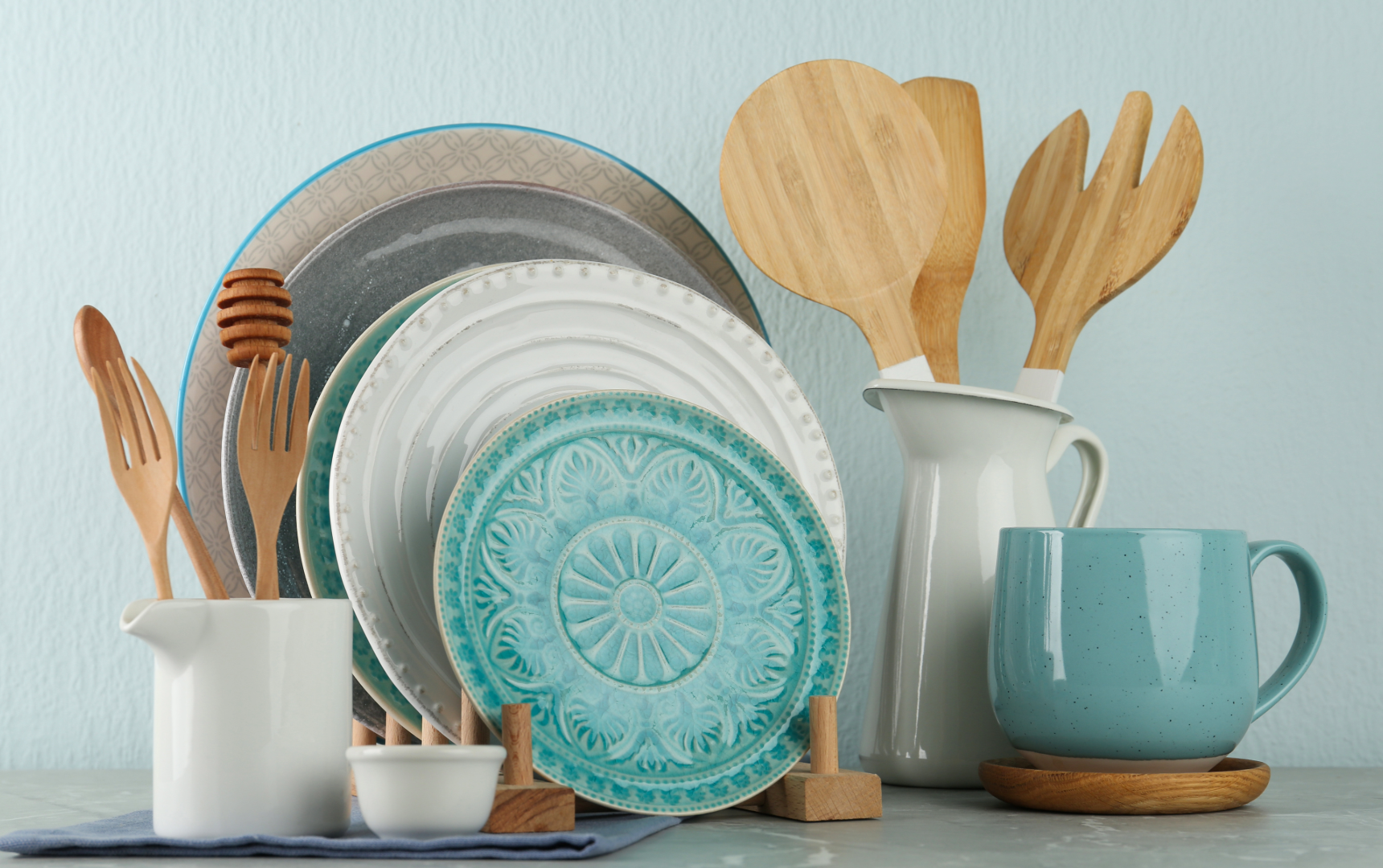
The key is to use those multipliers deliberately.
Build a disciplined assortment around proven sellers, then introduce new colors or finishes when they serve a clear purpose—not simply to make the assortment bigger.
For merchandise planning for small business, this means looking at the productivity of the assortment as a whole. Every additional choice should earn the inventory dollars it requires.
Item Productivity Matters as Much as SKU Count
The same logic applies to item count.
Every SKU competes with your existing catalog for inventory dollars, marketing attention, and warehouse space. No durable goods brand is a customer's single source for every product in their home. Planning as if you were can spread inventory dollars too thin for any one item to shine.
This is where item productivity becomes your second lever.
Ask regularly which items genuinely represent your brand and solve a real customer need. Then identify the items that are simply there.
A weak item isn't neutral. It costs you inventory dollars and attention that a stronger item could use instead.
Run this audit consistently, not just when cash flow forces the question. Strong merchandise planning for small business means knowing where to invest more deeply and where assortment breadth is no longer earning its keep.
Plan Inventory Around the Macro Retail Calendar
Beauty brands can count on a customer's own usage cycle to generate demand. Durable goods brands mostly can't.
That makes the retail calendar a much bigger piece of the merchandise and inventory plan.
Memorial Day. Labor Day. The winter holidays. Amazon Prime Day. Even a cultural moment like the Super Bowl.
These aren't just nice-to-have promotional windows. For a category with limited repeat traffic, they can be major demand drivers. They're the moments when a customer who wasn't already planning to buy suddenly has a reason to.
That's different from the role these events play for a replenishable brand, where a sale may simply pull forward demand that was coming anyway.
Treat the macro calendar as a forecasting input, not an afterthought.
Know which events move your category. Furniture may skew toward big mattress-adjacent sale weekends. Baby gear can spike around registry season and New Year.
Buy ahead of those windows with enough lead time to have stock when demand hits. Build promotional depth into your open-to-buy just as a seasonal apparel brand plans for markdowns.
For merchandise planning for small business, this means your assortment plan, inventory investment, and promotional calendar shouldn't operate separately. They should all reflect when and why your customers are most likely to buy.
Merchandise Planning for Small Business Starts With a Productive Assortment
The techniques covered throughout this series—open-to-buy, weeks of supply, SKU rationalization—stay the same.
What changes for durable goods brands is where you point them.
There's no reliable reorder signal to lean on for many products. Assortment planning and item productivity therefore become primary strategic tools rather than a supporting cast to a replenishment model.
Get intentional about color and fabrication counts. Know which items in your catalog earn their inventory dollars. Build your calendar around the retail moments that reliably bring new customers through the door.
Ultimately, merchandise planning for small business isn't about offering as much as possible. It's about building an assortment where each item has a reason to exist and your inventory dollars are concentrated where they have the greatest opportunity to perform.
If your brand sells the kind of product a customer buys once and lives with for years, we know how to build an inventory plan around that reality instead of fighting it. Let's talk.